
For our August SY Women in Sustainability newsletter, Lizzie interviewed Eloise Smith-Foster, a local activist, campaigner, policy-shaper and sustainability professional.
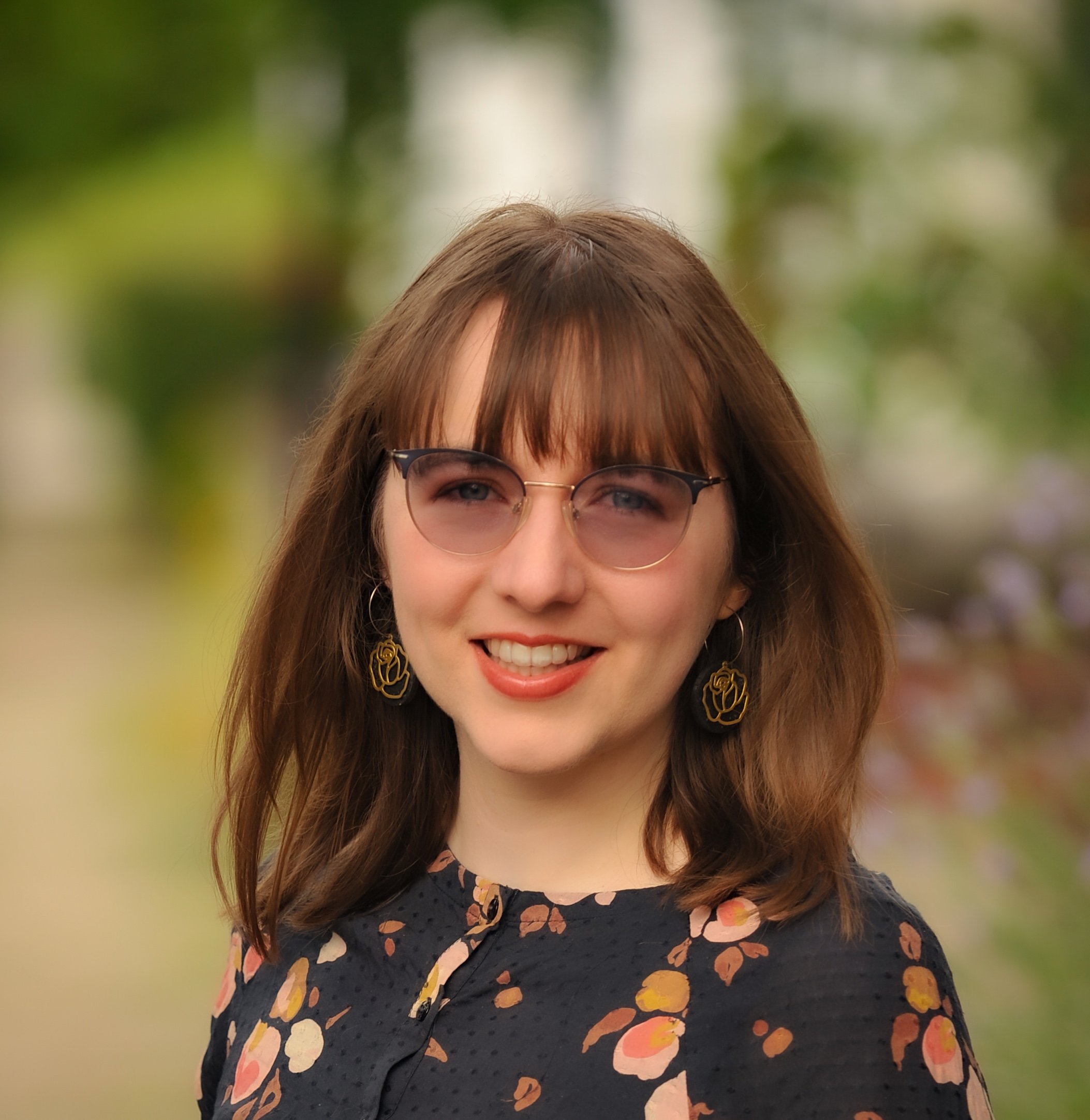
Founder Becoming Riverkin
Service Designer & Eco-futurist Freelance
Board member Sheffield Community Land Trust
Community Organiser
Cooperation Sheffield
loise’s work is rooted in a belief that communities build more safe, just and regenerative futures when they have real voice, agency and stewardship over the places they call home. She has spent years exploring the commons and relationships to nature and place. For her, “reimagining our relationship with land” means recognising that these relationships are shaped by identity, cultures, history, ownership, exclusion and colonialism. It also means responding to a widespread desire to strengthen access, belonging and connection to nature, and move away from futures defined by technocentric elites and top down “climate solutions.”
Becoming Riverkin
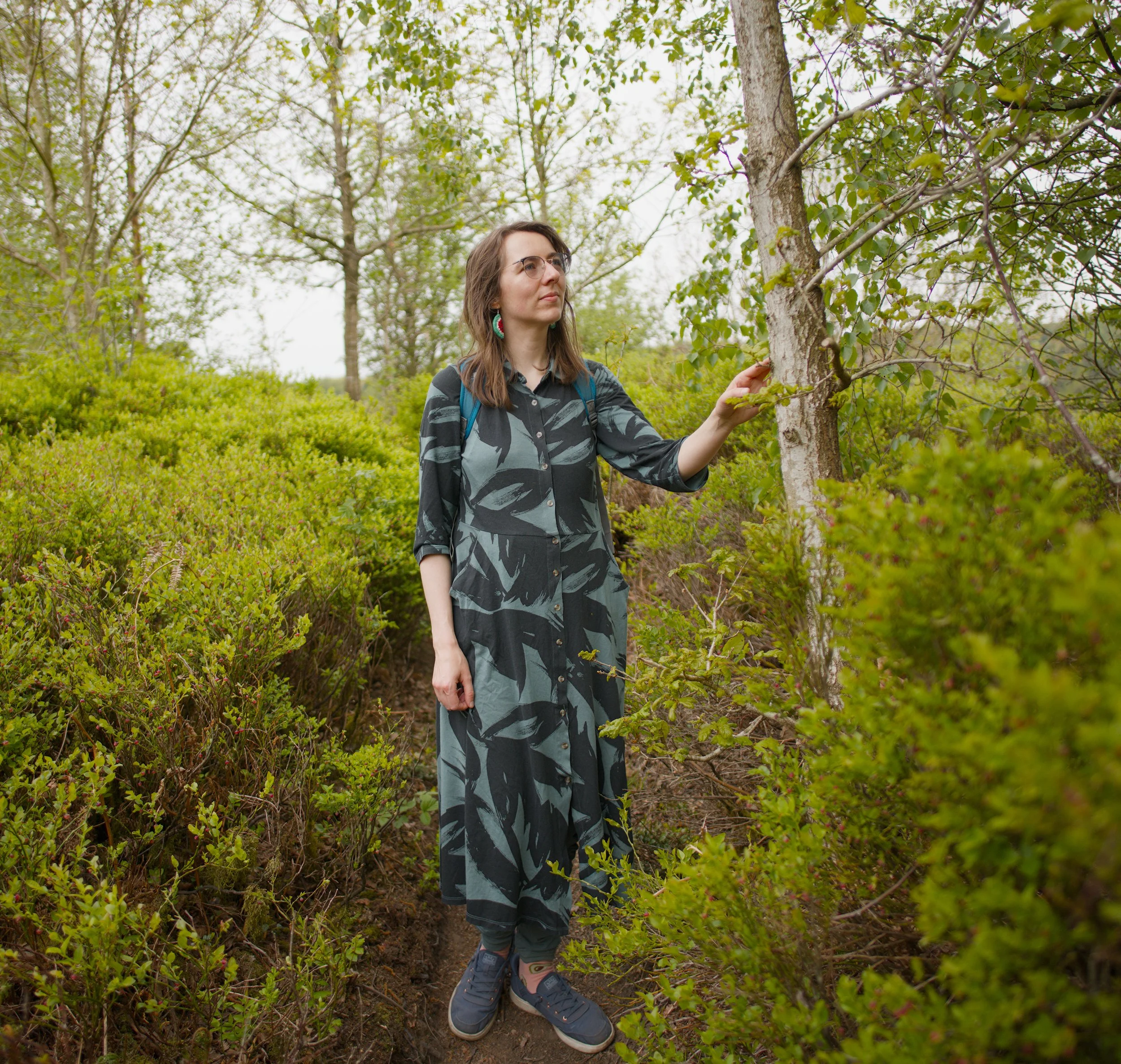
That thinking is at the heart of the newly launched Becoming Riverkin, founded by Eloise to work with communities and purpose-led organisations to meaningfully embed nature as a stakeholder in governance.
Drawing on her background in service design, futures thinking and cross-sector work in social impact and sustainability, Becoming Riverkin combines ecological imagination with practical methods to help organisations bring the voice of nature into how they design processes and shape decisions.
Eloise describes her social enterprise as a response to the times we are living through: climate breakdown, rising authoritarianism, eco-fascism and the need to relearn how to be in right relationship with each other and the natural world. Her approach is centred on grassroots leadership, whilst seeking to extend the idea of community beyond only human communities. She’s inspired by her community organising with Cooperation Sheffield’s Highfield Working Group, where she advocated alongside residents to successfully challenge proposals for a McDonald’s on a brownfield site near Lowfield Primary School earlier this year. Residents raised concerns about pollution, health, impacts on independent businesses and the loss of land that could instead serve community and ecological needs.
Creativity in Communication
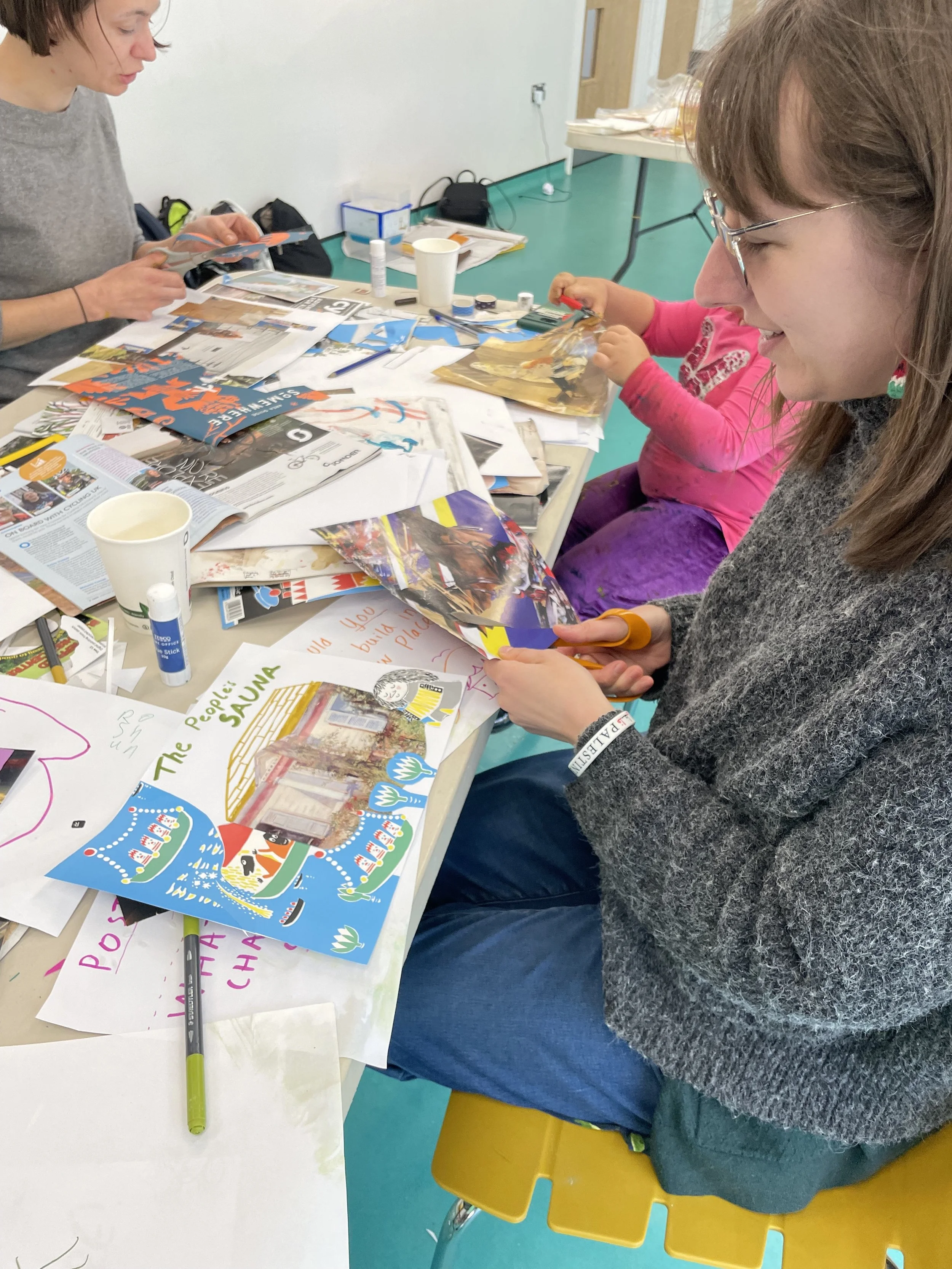
Rather than organising only around opposition, Eloise is interested in what our communities are fighting for: what could benefit people, ecology and the wider neighbourhood. She co-organised a “Beyond McDonald’s: Paint, Play and Possibility Day” event, using Lego, collage and paint for an intergenerational reimagining of the brownfield site.
Other approaches have ranged from guerrilla gardening and community storytelling to a Minecraft rendition of the community ideas by Joakin Clary. She sees community ownership, stewardship, mutual aid and grassroots democracy as central to successful green and just transitions.
For Eloise, a key part of organising is shifting the conditions that shape who gets to lead, who gets heard and whose contributions are recognised as legitimate. She pays particular attention to how unequal access to power, resources, time and civic infrastructure systematically excludes historically marginalised groups.
While valuing participatory and deliberative democracy approaches such as people’s assemblies, she is critical of processes that privilege verbal communication over visual, experiential and other forms of dialogue.
Eloise’s practice seeks to challenge these norms through relationship-building and repair, redistributing power and resources, and expanding what counts as legitimate engagement between humans and more-than-human.
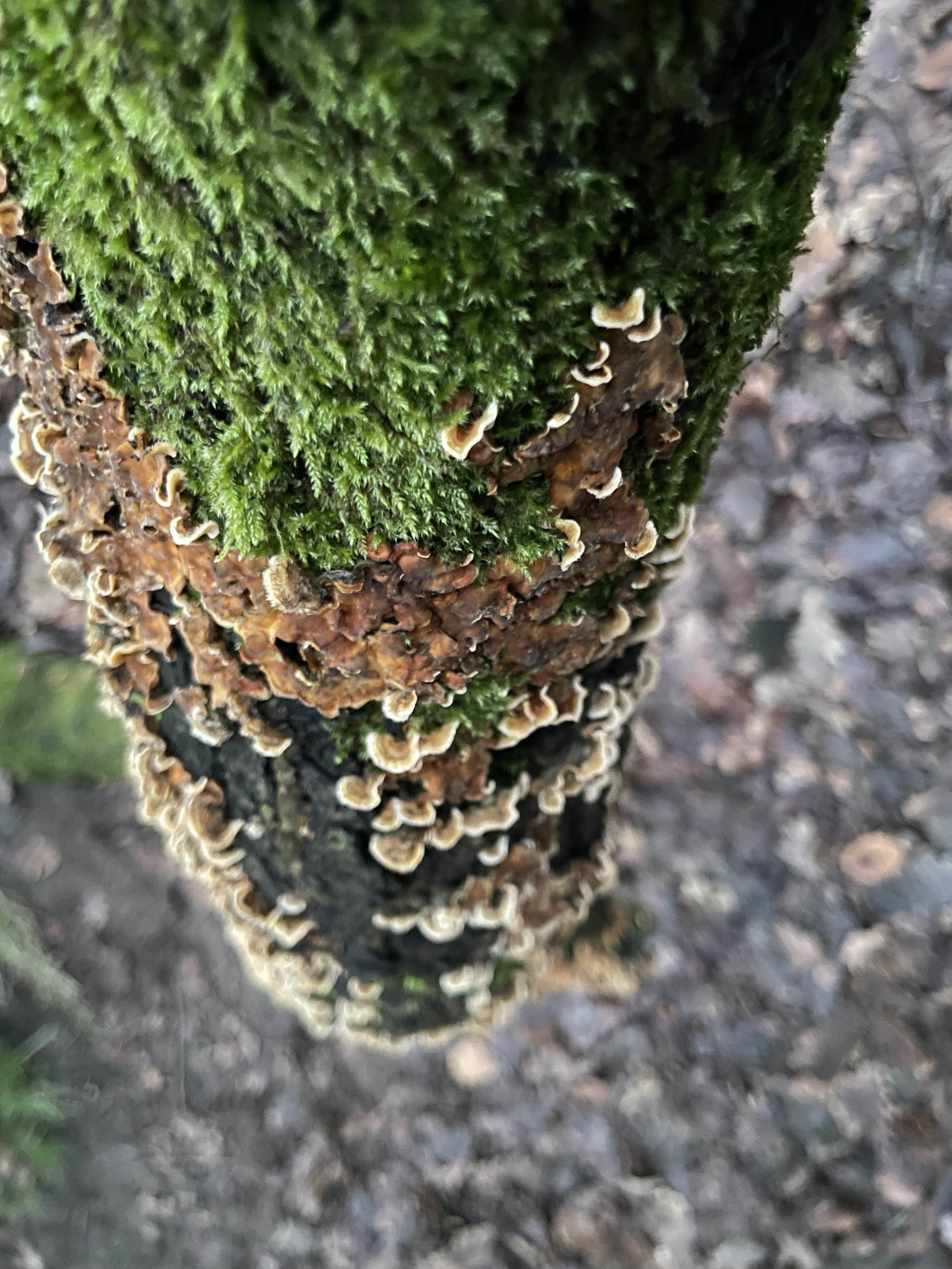
This approach informed the “Paint, Play and Possibility Day” and work like “Conversations with Lichen: Bioindicators as Guides for a World in Crisis,” where lichen are approached as elders to engage with and learn from.
How else can women in South Yorkshire make meaningful, community-centred change?
Alongside the launch of Becoming Riverkin, Eloise points to other local opportunities: Sheffield Social Enterprise Network’s free bootcamp for new social enterprises, and Sheffield Community Land Trust, which is developing its vision for community ownership and working towards a city-centre meanwhile-space pilot. Become a member or get involved with SCLT.
Eloise names Haleh Moravej, founder of Food Democracy as an inspiring, justice-centred sustainability entrepreneur. Haleh is keen to bring her free new 5 A Day learning experience to South Yorkshire - could you offer a venue, youth connections, sponsor places or commission a session?
“Nourishing practices are essential for sustaining meaningful change...eating together, making space for connection and conflict, and moving at “the speed of trust”. I’ve seen how maintaining such practices can be an antidote to paralysis & overwhelm.”
Eloise has also been inspired for over a decade by Imandeep Kaur and Civic Square, whose work on public space, retrofit, open learning and community stewardship is demonstrating neighbourhood-scale climate transitions in real time.
Across all her roles, Eloise’s work asks the same question: how can organisations and communities reclaim imagination, build power and become better kin to each other, to land, and to the living systems around us?
Becoming Riverkin is seeking its first pilot partners and collaborators for 2026/27, particularly purpose-led organisations in South Yorkshire interested in reimagining relationships with place and giving nature and more-than-human stakeholders a meaningful voice in governance.
If you’re interested in partnering in this work, Eloise would love to hear from you! Eloise also welcomes introductions to potential collaborators and funders, and invitations to explore these ideas with organisations and communities.
Explore Becoming Riverkin